
Gaston County Divorce Records
Gaston County divorce records are stored at the Clerk of Superior Court in Gastonia. Formed in 1846 from Lincoln County, Gaston County was named for William Gaston, a North Carolina Supreme Court Justice. The clerk office handles all divorce case filings, keeps court documents, and provides copies to the public. If you need to find a divorce case, get a certified copy of a judgment, or check the status of a filing, the Gaston County clerk office is where you start. The NC online court portal also allows basic case searches for Gaston County.
Gaston County Quick Facts
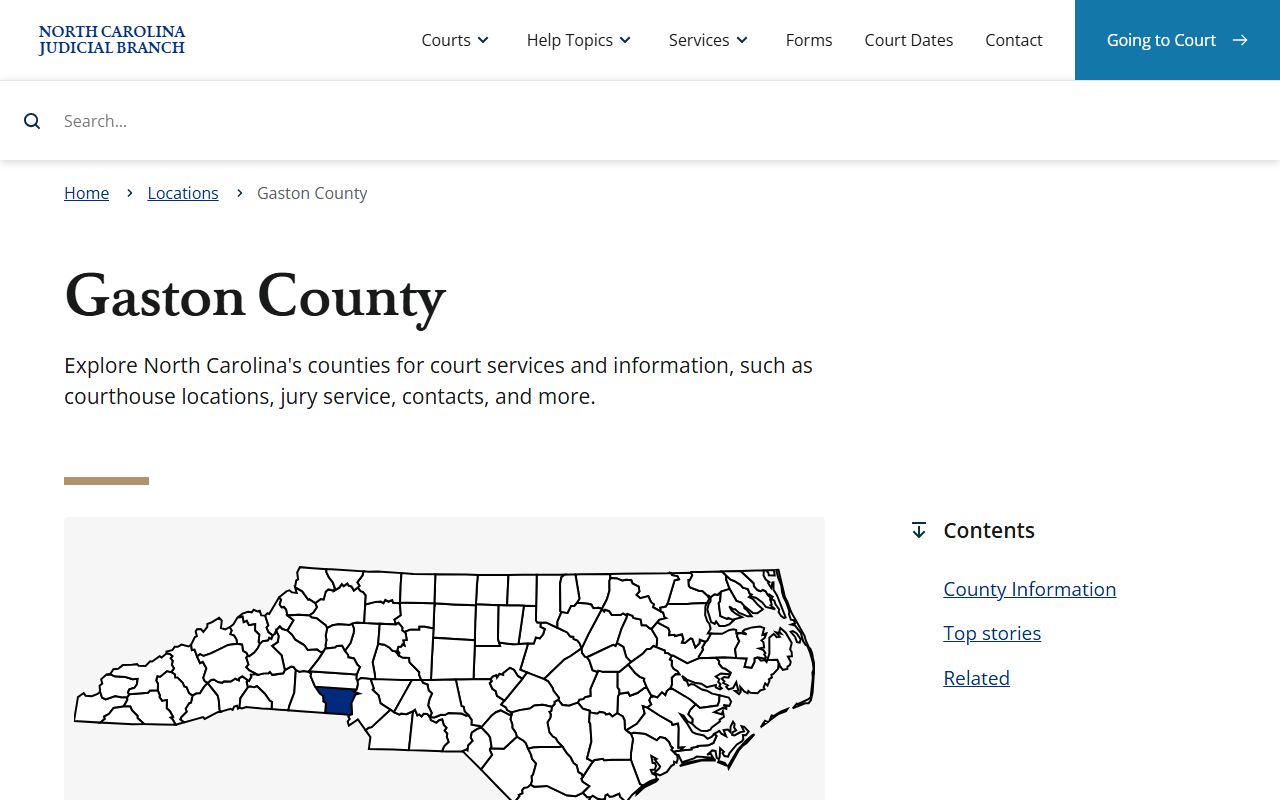
Gaston County Clerk of Superior Court
George R. McSwain serves as Clerk of Superior Court in Gaston County. This office manages all divorce filings and court record requests. The Gaston County Courthouse is at 325 North Marietta Street in Gastonia. Staff search for cases, pull files, and make copies of court documents for the public.
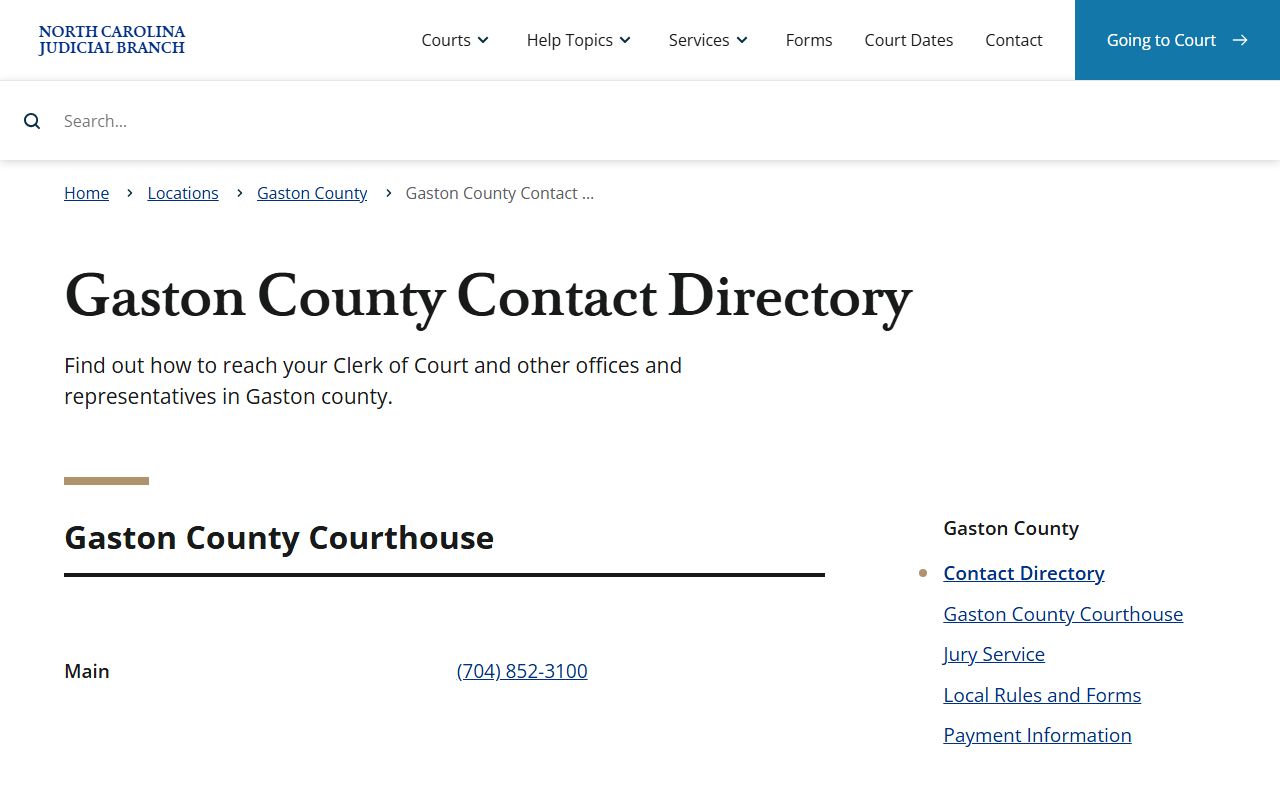
Gaston County is in Judicial District 27A. The clerk office is open Monday through Friday from 8:30 AM to 5:00 PM. Call (704) 852-3100 for questions about divorce records or case information. The Gaston County court page provides court calendars, local rules, forms, and payment details. Written requests by mail and phone inquiries are also accepted at the Gaston County clerk office.
The Gaston County contact directory lists phone numbers for each department, including custody mediation at (704) 852-3338 and court-ordered arbitration at (704) 852-3170.
| Court |
Gaston County Clerk of Superior Court 325 North Marietta Street Gastonia, NC 28052 Phone: (704) 852-3100 |
|---|---|
| Hours | Monday through Friday, 8:30 AM to 5:00 PM |
| Website | nccourts.gov/locations/gaston-county |
Searching Gaston County Divorce Records
You can search for divorce records in Gaston County online or in person at the courthouse. Each approach works best for different types of requests.
The NC eCourts portal at nccourts.gov lets you look up civil cases by party name or case number. Gaston County cases appear in the statewide database. Basic case information is free. Full documents and certified copies require an in-person visit or written mail request. Send mail requests to PO Box 1578, Gastonia, NC 28053. Include names, dates, payment, and a self-addressed stamped envelope.
When visiting in person, go to 325 North Marietta Street in Gastonia. Bring a valid photo ID. Give staff the full names of both spouses and the approximate date. The case number helps speed things up if you have it. Copies can be made on site.
Note: The Gaston County Register of Deeds handles birth, marriage, and death records from 1913, but divorce records come only from the Clerk of Superior Court.
Gaston County Divorce Filing Process
Filing for divorce in Gaston County follows North Carolina state law. Under N.C.G.S. 50-6, you must have lived separate and apart for at least one year. One spouse needs six months of state residency under N.C.G.S. 50-8. If you live in Gaston County, file at the courthouse in Gastonia.
You file a complaint for absolute divorce first. Pay the filing fee. The clerk gives you a case number. Then serve the other spouse. Options include the Gaston County Sheriff, a private process server, or certified mail with return receipt. After service is complete and all steps are met, the court enters a final judgment of divorce. This order dissolves the marriage and goes into the permanent public record in Gaston County. Divorce judgments are kept permanently. Supporting documents are retained for at least 20 years.
Property and alimony claims must be filed before the final judgment. Missing this deadline may result in waiving those rights under state law.
What Gaston County Divorce Records Include
Gaston County divorce files hold the complaint, answer, separation agreements, and the final judgment. The complaint states the grounds. The judgment ends the marriage. Most people need a certified copy of the judgment for legal use. These copies are needed for name changes, property transfers, and remarriage.
All divorce records in Gaston County are public under the North Carolina Public Records Act, N.C.G.S. Chapter 132. Anyone can ask to view them. You do not need to be a party to the case. Fees apply for copies. Uncertified copies cost $0.25 per page, and certified copies cost $5.00 per document. A record search fee of $2.00 per name may also apply.
Gaston County Government Resources
The Gaston County government website offers links to public services and county departments. The Register of Deeds handles marriage records and land records. Public records requests can be submitted through the county portal. Gaston County borders Mecklenburg County, so some residents may have ties to the Charlotte area as well.
The Gaston County Public Library at 1555 E. Garrison Blvd. in Gastonia has a History Room with local historical records and genealogical resources. The library phone number is (704) 868-2164. The Gaston County Historical Society also provides help for those researching the county's past.
Divorce Certificates for Gaston County
The NC Vital Records office at vitalrecords.nc.gov has divorce certificates from 1958 to the present for all North Carolina counties. Gaston County is included. The fee is $24 for the first copy and $15 for additional copies ordered at the same time.
Pre-1958 divorce records for Gaston County are held at the Clerk of Superior Court in Gastonia. The county was formed in 1846, so records go back nearly two centuries. The North Carolina State Archives may also hold older Gaston County court documents for historical research. For the full judgment with all terms, contact the Gaston County clerk office directly.
Nearby Counties
These counties border Gaston County. Verify where you live to make sure you file in the county that has jurisdiction over your divorce case.